


If all salt is just salt, you might be wondering why there are so many varieties. Chemically speaking, salt is indeed salt, unless we’re talking about flavoured salts or salts with additives.
But in culinary terms, the shape and grain size of salt matter, because structure and scale determine how it interacts with your food.

“Each one is tailored to specific dishes and techniques.”
From fine salt, ideal for sprinkling at the table, to pyramid-shaped flakes, perfect for garnishing ribs, potatoes, or salads, each type of salt is crafted to elevate flavour and delight the eye.
As with all of today’s cooking, we cook not only to nourish but also to enchant.
The desire for salt diversity has grown swiftly. The most commonly used salt – fine iodized salt – remains indispensable for food preperation.
But it now shares the culinary spotlight with a wide range of exciting newcomers: coarsegrained salts, crystals and artisanal flakes. Each one is tailored to specific dishes and techniques.

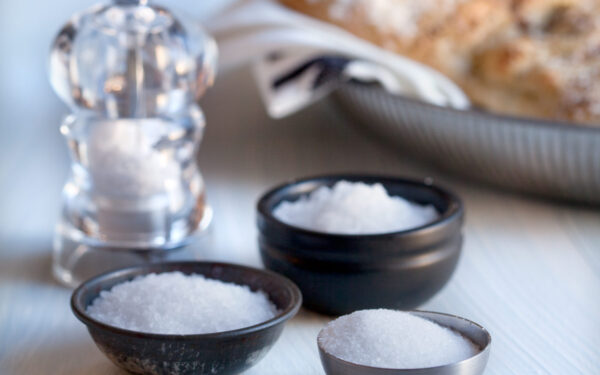
Turns out, there’s more to salt than meets the shaker. Discover the different types, how they’re made, and why the right salt can change everything. Well, a lot.
For many of us, salt is one of the great pleasures of cooking. A pinch on your pasta, a sprinkle on grilled veggies, a shake over eggs – it brings food to life. But too much of a good thing can become a problem. That’s where low sodium salt comes in.
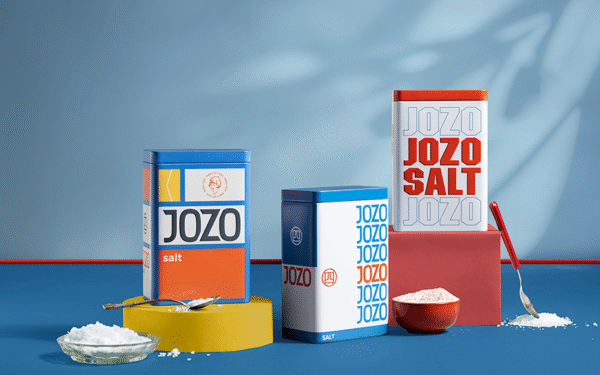
How a basic mineral became a global essential, and how JOZO made it part of everyday life.

You might not think about it when you reach for the salt shaker. But inside that tiny crystal lies something essential — iodine, a trace element your body can’t live without.
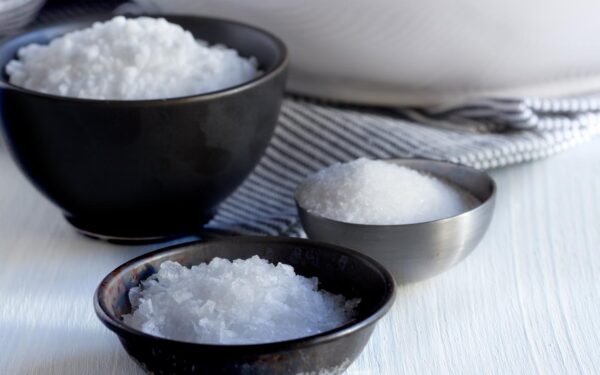
For many of us, salt is one of the great pleasures of cooking. A pinch on your pasta, a sprinkle on grilled veggies, a shake over eggs – it brings food to life. But too much of a good thing can become a problem. That’s where low sodium salt comes in.